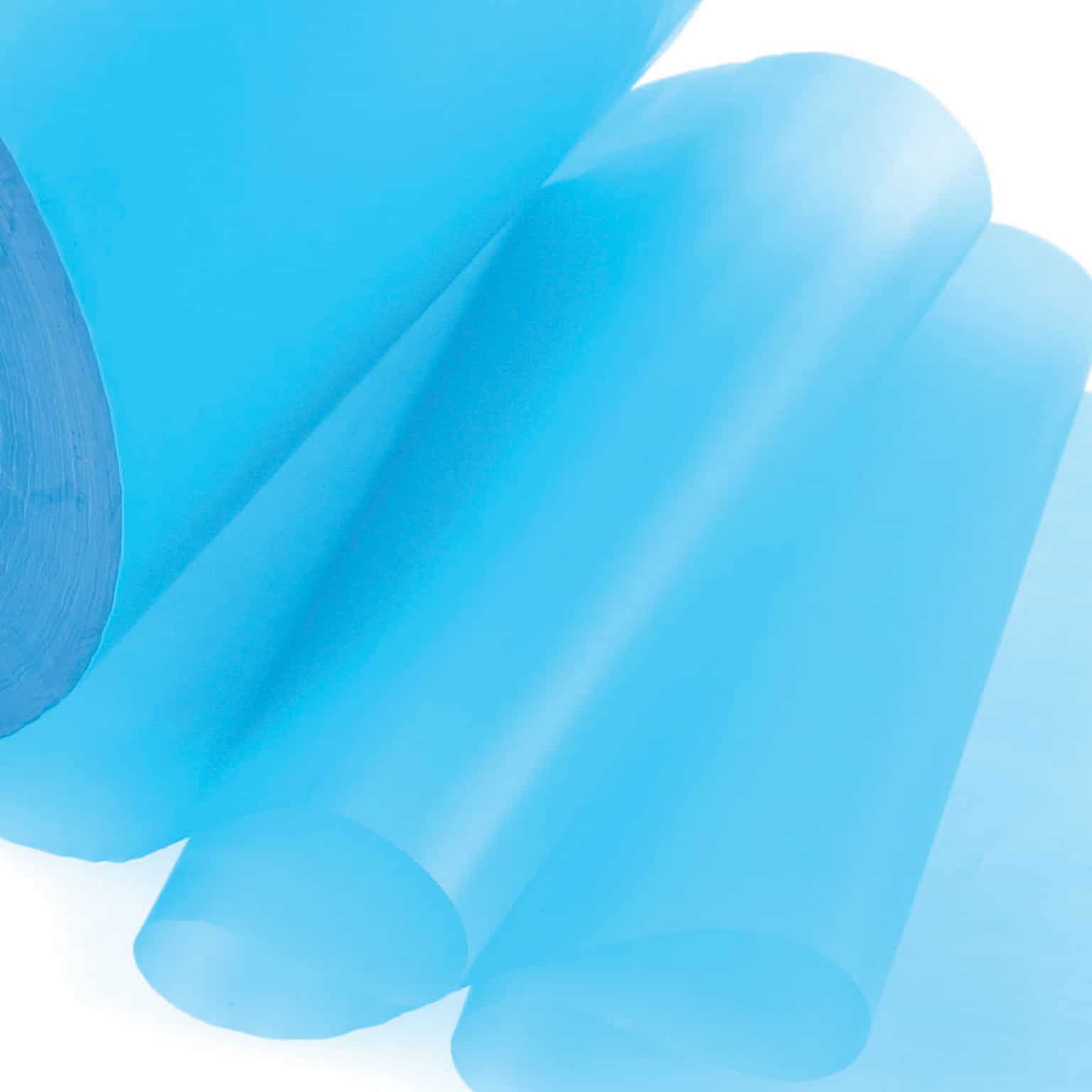
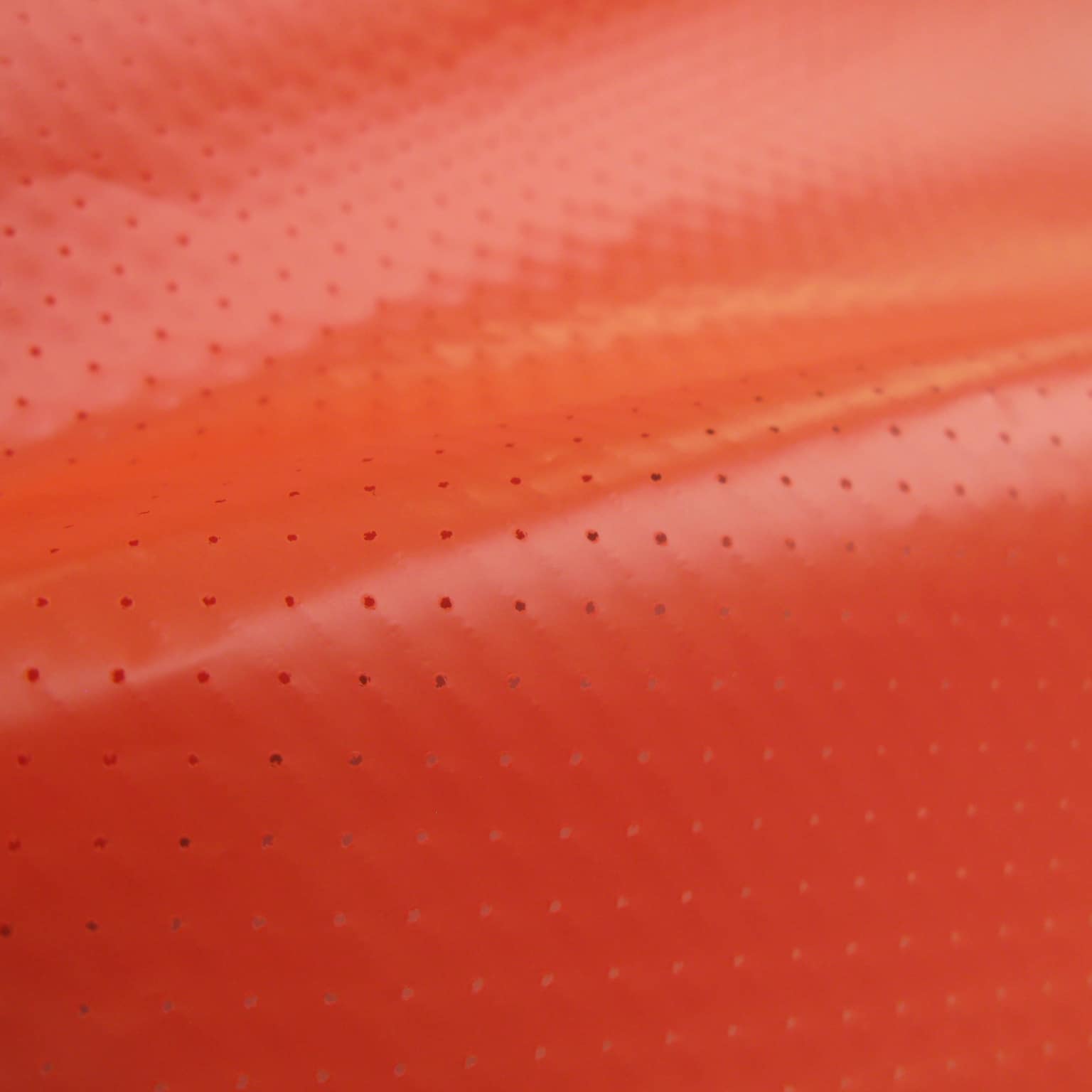
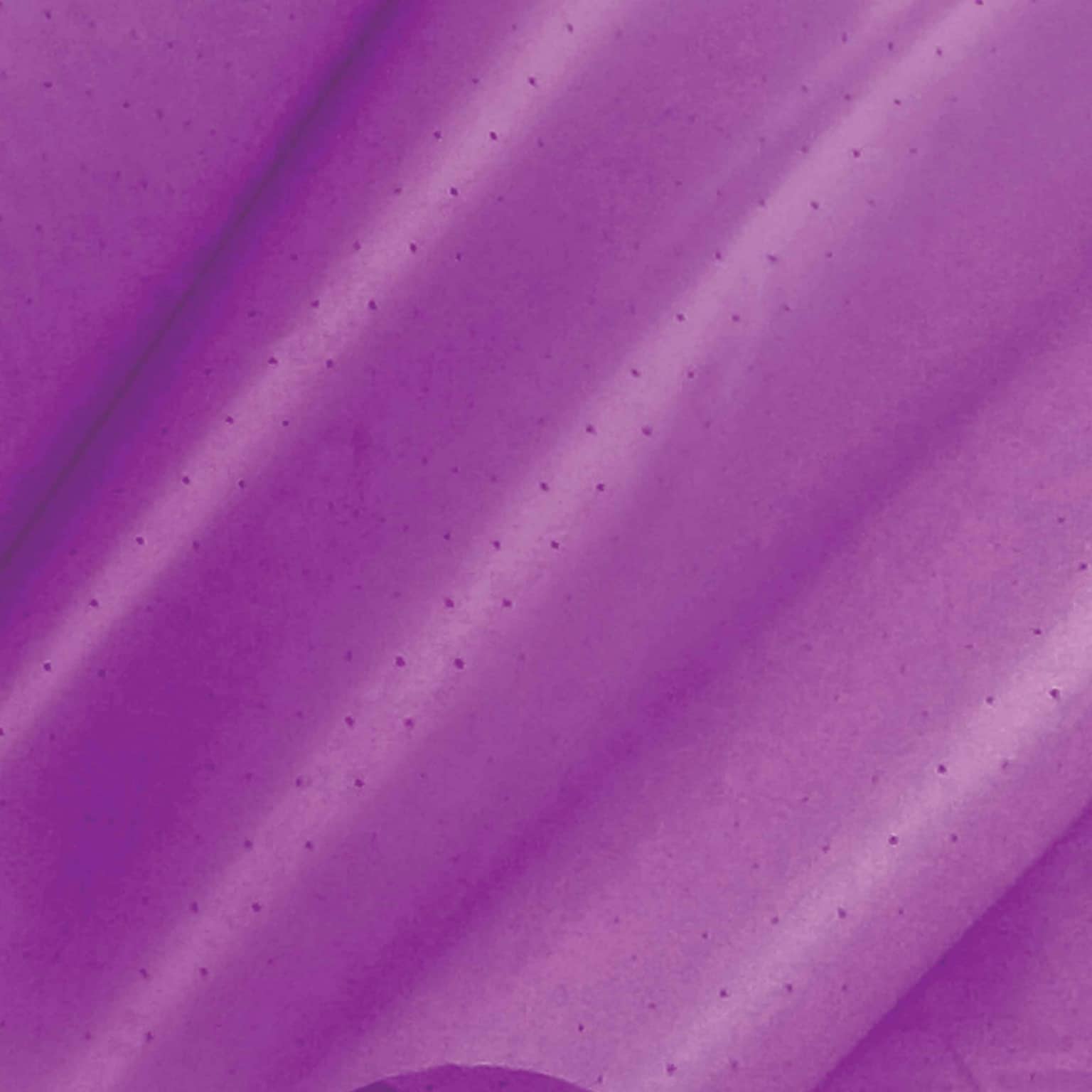
Our line of composite release films
| Last Name | Highest temp. | Unpunched | Perforation P0 | P1 Perforation | P3 Perforation | Type |
|---|---|---|---|---|---|---|
| ELA20 | 125°C | x | x | x | x | Polyethylene |
| ELA50 | 125°C | x | x | Polyethylene | ||
| PP40 | 160°C | x | x | x | Polypropylene | |
| PMP200 | 200°C | x | x | x | Polymethylpentene | |
| RF205 | 205°C | x | x | PFAS-Free | ||
| ETFE230 | 230°C | x | x | x | EFTE Fluorinated Polymer | |
| A5000 | 260°C | x | x | x | FEP | |
| PTFE315 | 315°C | x | PTFE |
PO to P3: from large to small perforation
Frequently Asked Questions
Are the release films available in perforated versions?
Yes, Diatex offers several levels of microperforation to adjust permeability according to the impregnation process.
What is the difference between a release film and a vacuum film?
The release film is placed between the part and the drainage layers. It facilitates demolding, while the vacuum film is used to create a seal for the vacuum system.
How do you choose the right release film?
The choice depends on:
- the maximum process temperature,
- the required elongation,
- the resin used,
- the type of process (autoclave, infusion, oven)
- the desired level of demolding
Our latest news
Composites
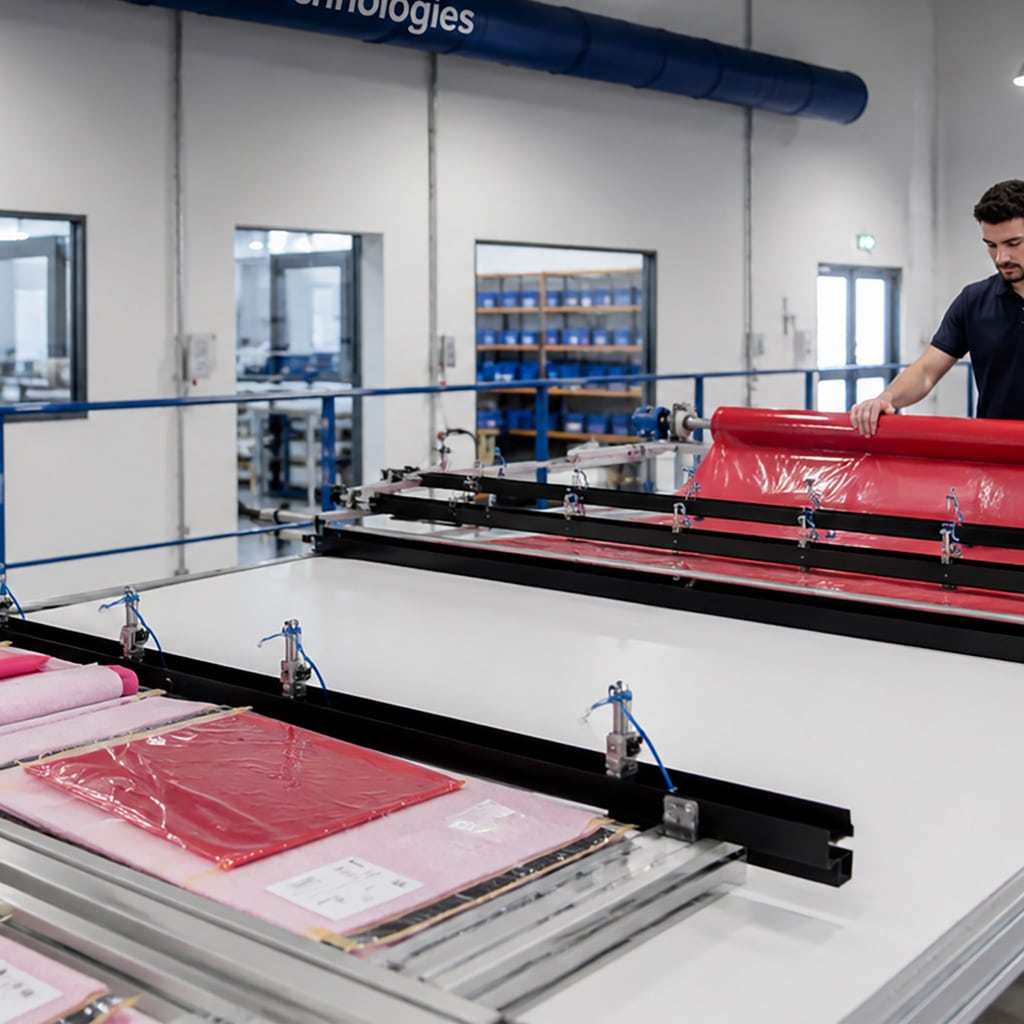
Kitting: How does DIATEX optimise your composite processes?
Composites
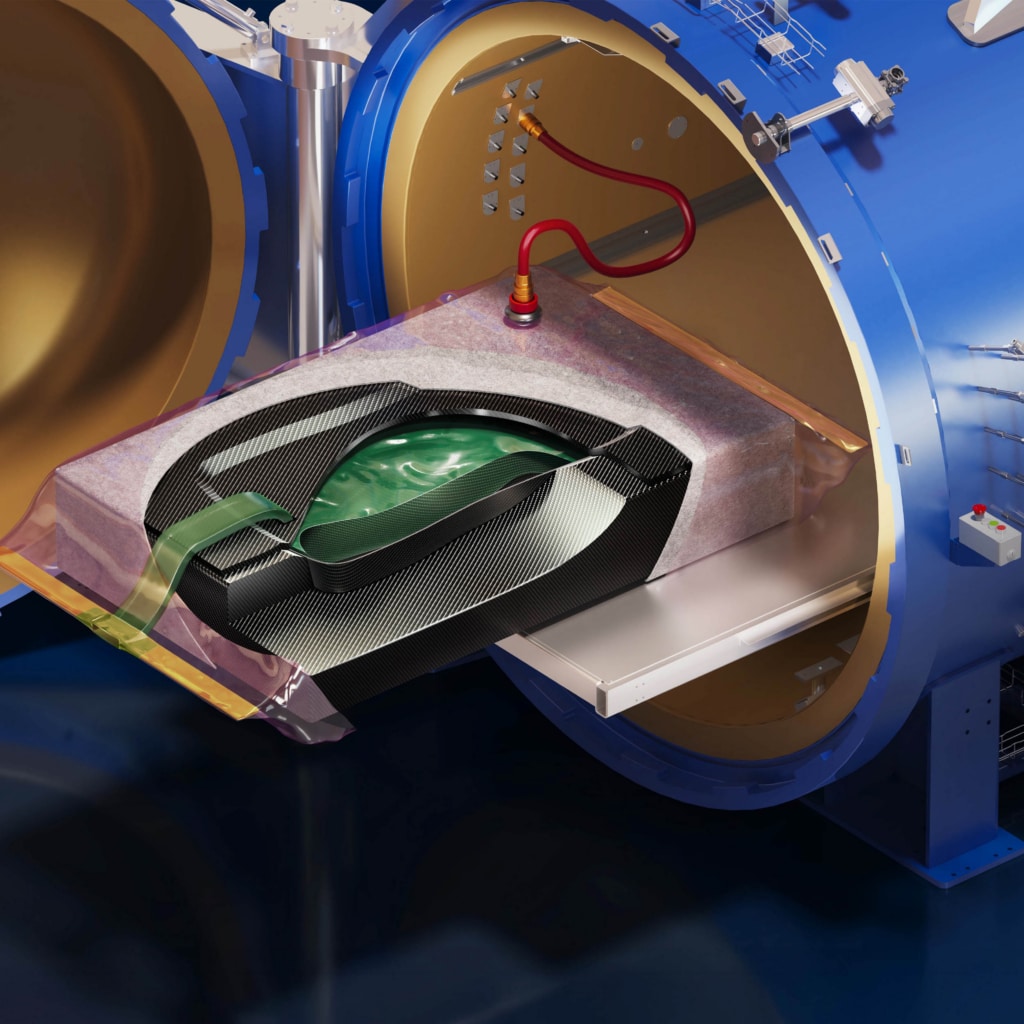
Eliminate waste and ensure the quality of your complex composite parts
Composites