Frequently Asked Questions
What is the difference between a lubricated vane pump and a dry-piston pump?
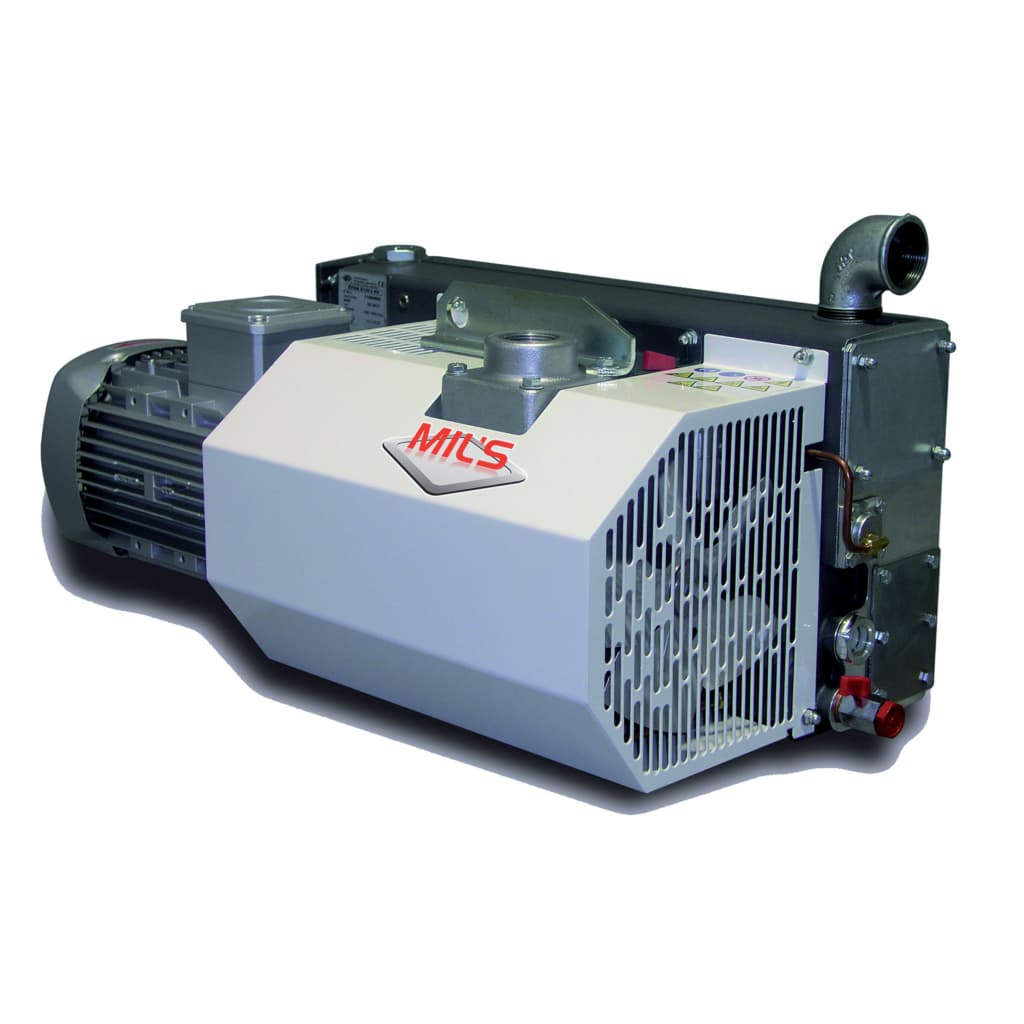
Lubricated vane pumps use oil to provide sealing and cooling, which allows them to achieve a high vacuum level and excellent stability during long runs.
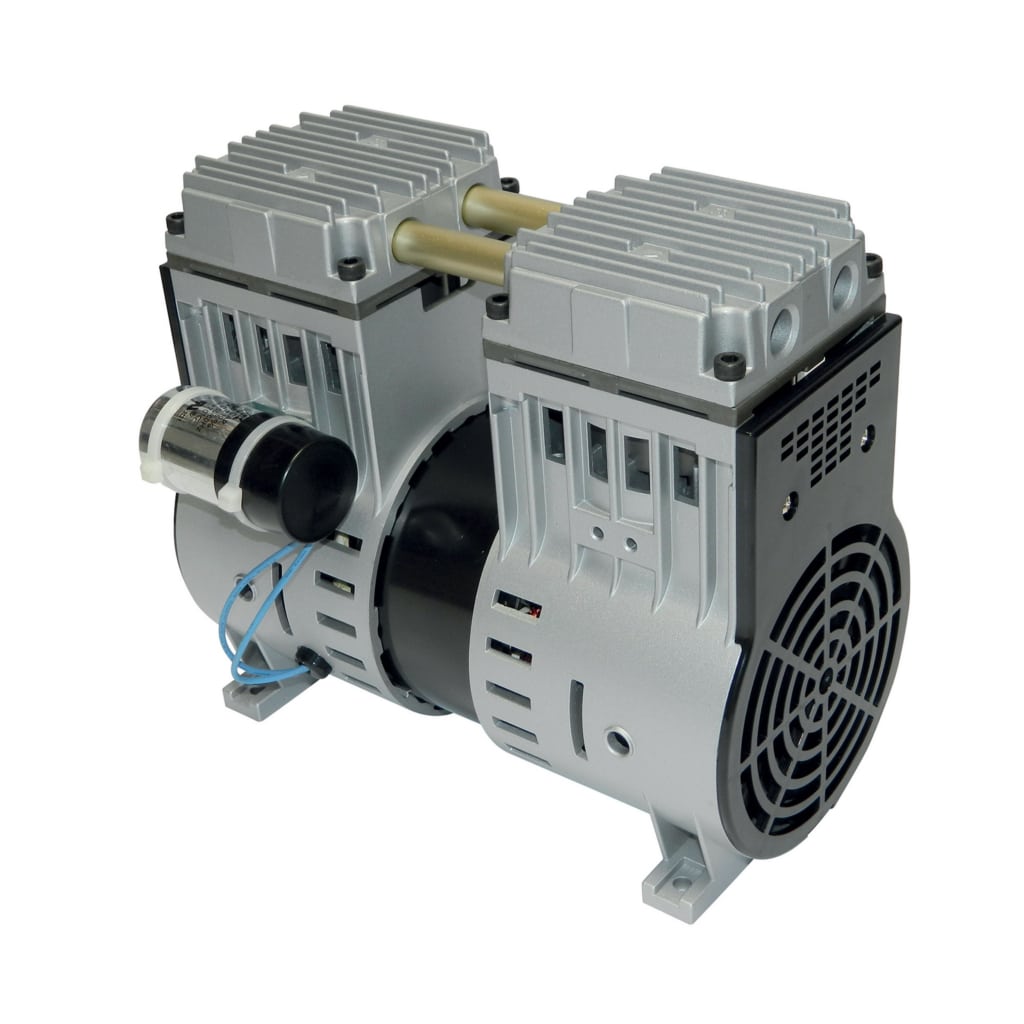
Dry-piston pumps, on the other hand, require no oil: they are clean, easy to maintain, and particularly well-suited for lightweight composite processes or laboratory use.
What brands of vacuum pumps does Diatex offer?
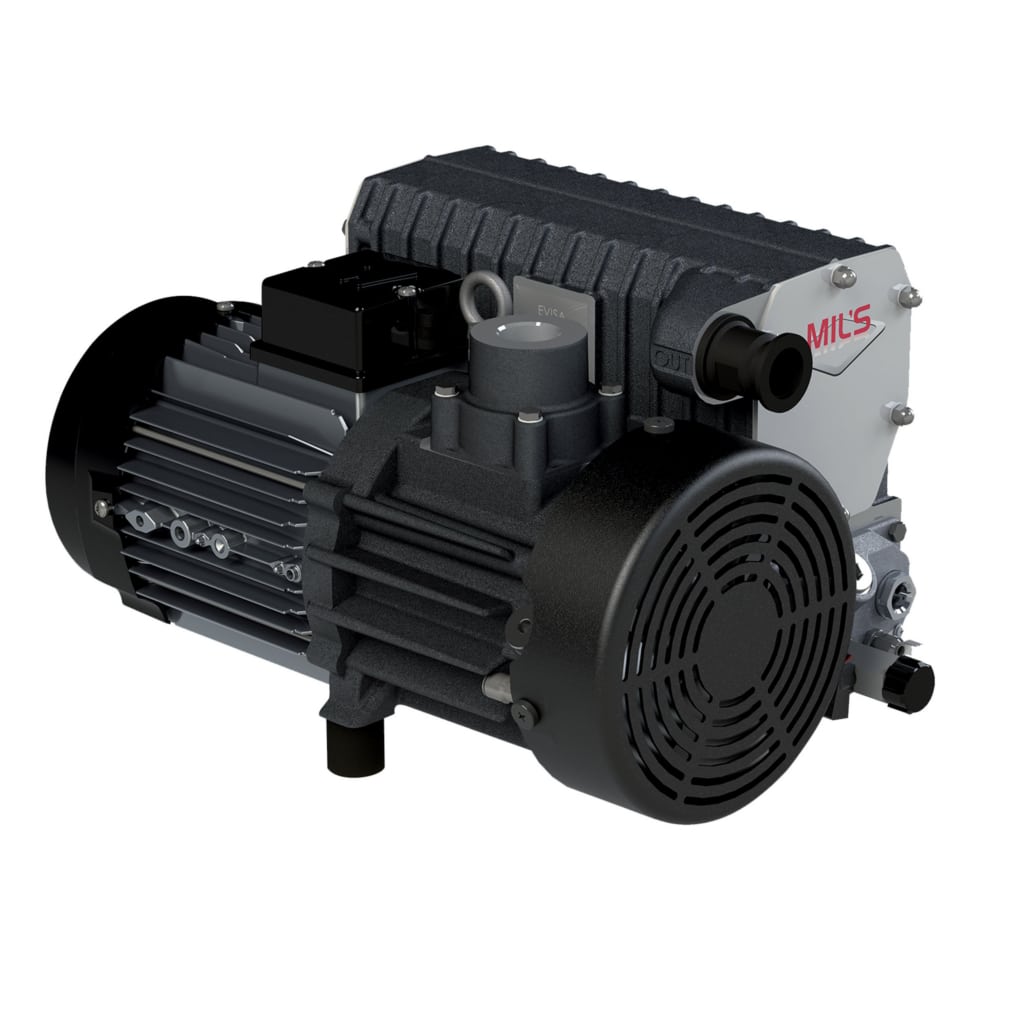
DIATEX distributes several lines of industrial vacuum pumps based on the expertise of MIL’S, a recognised French manufacturer:
- ROTOMIL’S: high-performance lubricated vane pumps
- EVISA: compact and rugged models for heavy-duty use
- PS: dry piston pumps-eco-friendly and maintenance-free
How do I choose the vacuum pump that’s best suited for my process?
The choice depends on several criteria:
- The type of process (vacuum casting, infusion, RTM, prototyping)
- The required vacuum level
- The size of the composite parts
- The required air flow rate and cycle time.
Our DIATEX technicians can recommend the pump best suited to your needs.
What maintenance is required for a vacuum pump?
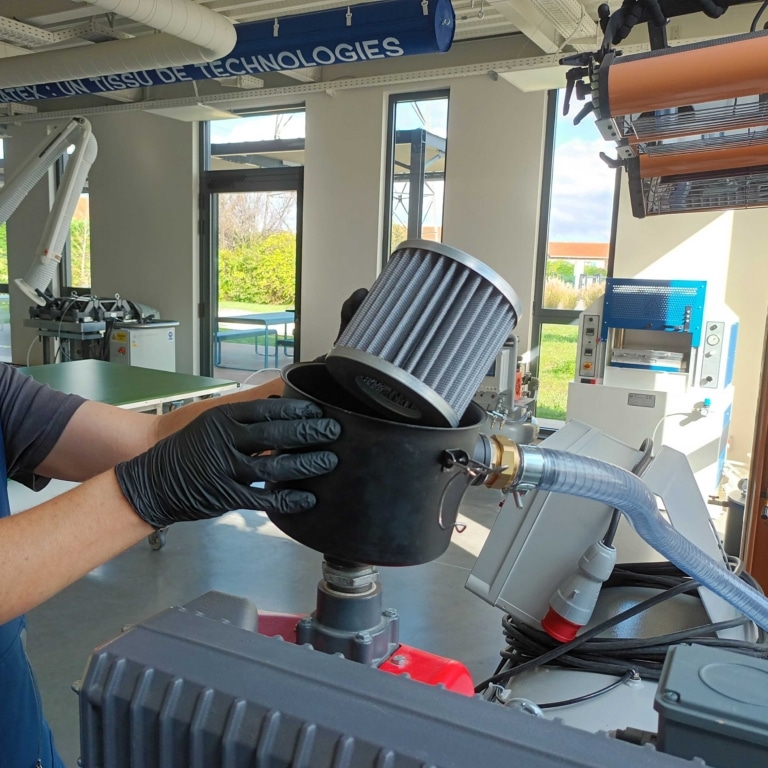
- Lubricated vane pumps require regular oil and filter changes.
- Dry-piston pumps, on the other hand, require very little maintenance, which reduces operating costs.
DIATEX offers technical support and the supply of MIL’S replacement parts.
Do you provide maintenance and after-sales service for the vacuum pumps you sell?
Yes, we provide complete tailormade support for vacuum pumps: diagnostics, corrective maintenance, repairs, and the supply of genuine MIL’S parts. Our technical teams can provide service on-site or in the workshop to ensure the continuity of your production processes.
We can offer a customized maintenance contract to help prevent production downtime and ensure the long-term performance of your equipment.
How do I choose a vacuum pump?
Our composite specialists help you select the pump best suited to your applications (infusion, vacuum casting, RTM, prototyping, etc.), based on the vacuum level, air flow rate, and part size. DIATEX also provides personalised technical support for setup, installation, and performance optimisation during production.
Our latest news
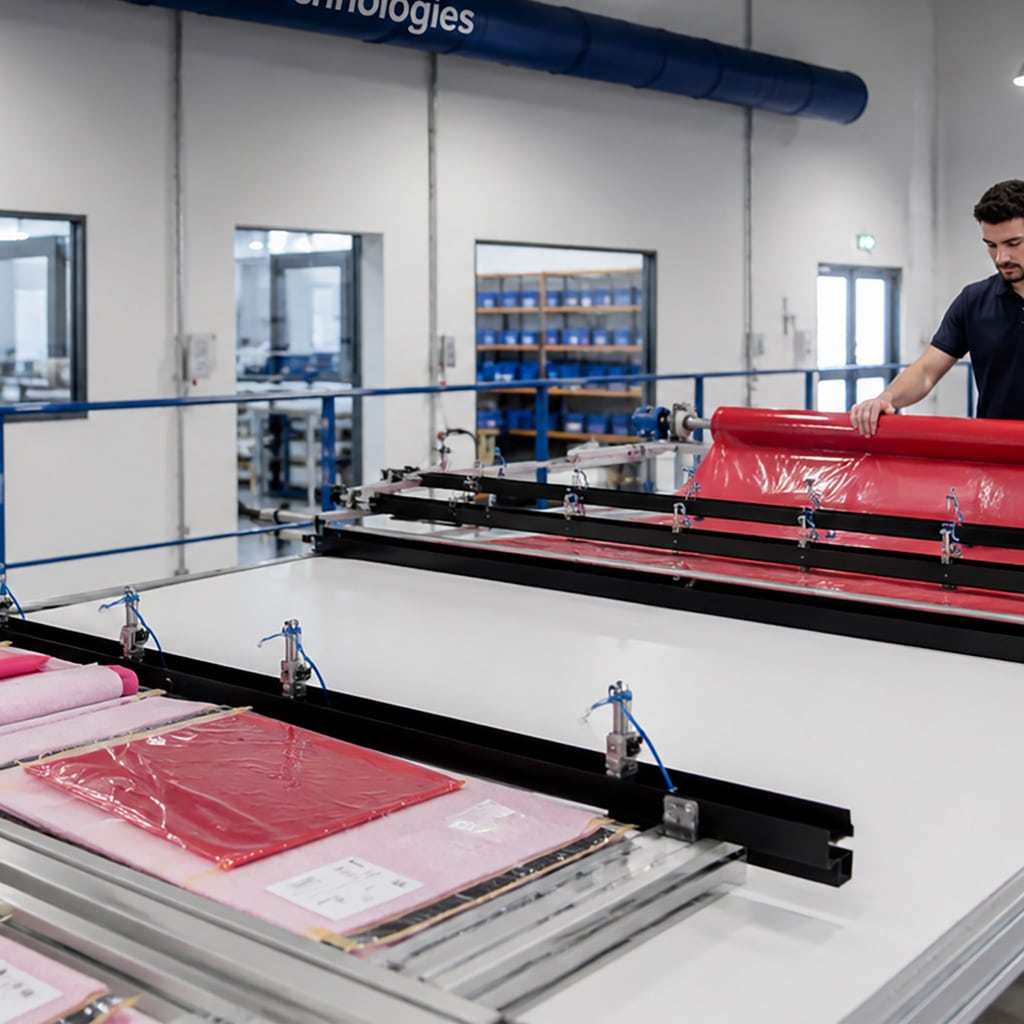
Kitting: How does DIATEX optimise your composite processes?
Eliminate waste and ensure the quality of your complex composite parts